
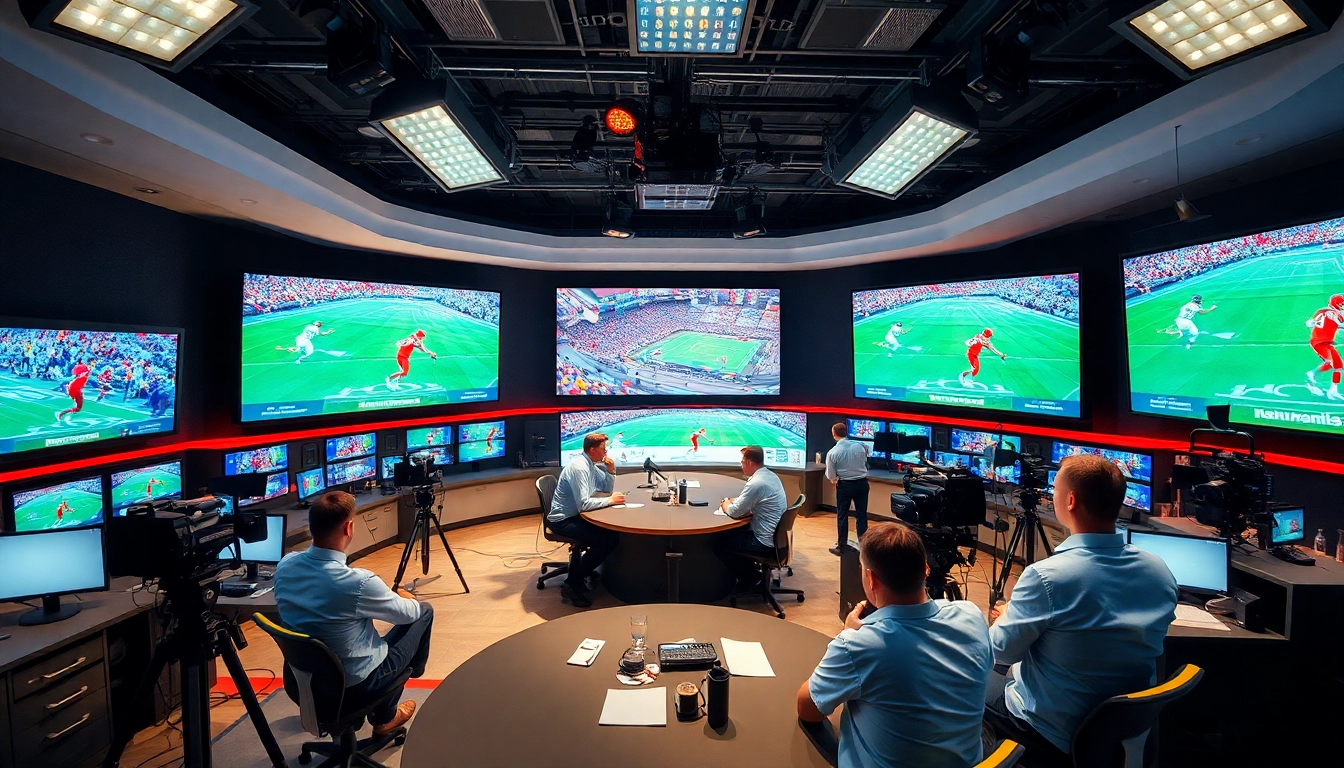
Introduction to Sports Broadcasting
Definition and Importance of Sports Broadcasting
Sports broadcasting is the distribution of sports content through various media channels, including television, radio, and digital platforms. It encompasses live events, highlights, interviews, and commentary, bringing the excitement of sports to audiences in real-time. The importance of sports broadcasting cannot be overstated; it serves as a crucial link between fans and their favorite sports teams, cultivates community engagement, and drives significant economic benefits for advertisers and broadcasters alike.
The advent of Sports Broadcasting has revolutionized how sports are consumed, fostering a culture of accessibility and immediacy that enhances viewer engagement and loyalty. Sports broadcasts strengthen the emotional connection between fans and their preferred sports, allowing them to follow the action wherever they are.
Overview of the Sports Broadcasting Industry
The sports broadcasting industry is a multi-billion-dollar sector that continues to evolve with technological advances and changing audience preferences. Broadcasters range from major networks and cable channels to specialized sports networks and online streaming platforms. In recent years, the industry has experienced a paradigm shift due to the rise of digital platforms which offer flexible viewing options and personalized content.
Market dynamics show a growing trend toward cord-cutting, where consumers opt for streaming services over traditional cable subscriptions. This shift presents opportunities and challenges, pushing traditional broadcasters to innovate and adapt. The competition for viewers is fierce, increasing the stakes for quality content, production value, and viewer experience.
Key Audio-Visual Elements in Sports Broadcasting
Effective sports broadcasting hinges on several key audio-visual elements that enhance viewer experience. These include high-definition video quality, multiple camera angles, instant replays, and expert commentary. The visual aspect is complemented by audio elements, such as crowd noise, commentary, sound effects, and music, which collectively create an immersive viewing experience.
Furthermore, the use of graphics and overlay technologies helps present statistics, player information, and real-time updates, keeping the audience informed and engaged throughout the event. The integration of these elements requires meticulous planning and skilled production teams to execute a seamless broadcast.
Types of Sports Broadcasting
Traditional vs. Digital Sports Broadcasting
Traditional sports broadcasting typically involves linear television and radio broadcasts. These platforms have historically dominated the industry, allowing for scheduled programming and broad outreach, yet they face increasing competition from digital alternatives. Digital sports broadcasting encompasses streaming services, mobile apps, and social media platforms, offering viewers on-demand access to sports content anytime, anywhere.
One of the significant advantages of digital broadcasting is interactivity, where viewers can choose content tailored to their preferences. This evolution signifies a move towards personalization, fundamentally shifting how sports broadcasting strategies are developed and executed.
Live vs. Recorded Sports Broadcasting
Live sports broadcasting captures events as they happen, offering an adrenaline rush that recorded broadcasts struggle to replicate. Live coverage often includes instant analyses, real-time reactions, and a sense of community among fans. However, recorded broadcasts play an essential role as well, providing highlights, analyses, and the chance to relive memorable moments at leisure.
Broadcasters often harness both methods, balancing live coverage with pre-recorded content to cater to varying audience preferences. This hybrid approach ensures that sports remain accessible and engaging for both die-hard fans and casual viewers.
Regional vs. National Sports Coverage
Regional sports coverage focuses on local teams and events, delivering tailored content to specific audiences. This form of broadcasting plays a vital role in building local fan bases and fostering community pride. In contrast, national coverage aims at a wider audience, showcasing marquee events and leagues that attract viewership across the country.
Broadcasters often need to find a balance that maximizes both regional engagement while capturing broader audiences, a strategy that requires careful content curation and marketing to ensure relevance across diverse demographics.
Technological Advances in Sports Broadcasting
Impact of Streaming Services on Sports Broadcasting
Streaming services have dramatically reshaped the landscape of sports broadcasting, enabling viewers to access multiple channels and events without a traditional cable subscription. The flexibility offered by these platforms creates a more personalized viewing experience, allowing fans to curate their content playlists based on preferences.
This shift not only enhances viewer satisfaction but also compels traditional broadcasters to secure partnerships with streaming platforms or develop their own streaming solutions to retain audiences. As subscriber bases shift, both the challenges and opportunities presented by streaming services continue to proliferate.
Innovations in Broadcast Equipment
The advancements in broadcast technology, including 4K cameras, drones, and enhanced audio recording devices, have transformed the quality of sports broadcasts. These innovations not only facilitate breathtaking visuals and immersive soundscapes but also allow for unique angles and close-up shots that enhance storytelling and viewer connection.
Additionally, remote production capabilities have expanded the possibilities for broadcasting teams, allowing for coverage of events in diverse locations without the logistical complexities of traditional setups. Such equipment advancements render sports more engaging and accessible for fans around the globe.
Integration of Augmented Reality in Sports Broadcasting
Augmented reality (AR) technology is becoming increasingly prevalent in sports broadcasting, where it can enhance viewer comprehension and engagement. AR graphics can overlay essential statistics, player information, and dynamic replays in real-time, enriching the viewing experience.
This integration of AR offers broadcasters significant opportunities to innovate storytelling, allowing audiences to visualize complex plays, strategies, and game dynamics effectively. As AR technology continues to evolve, its application in sports broadcasting will increase, providing even richer viewer experiences.
Challenges in Sports Broadcasting
Navigating Broadcast Rights and Regulations
The regulation of broadcast rights represents one of the most formidable challenges in sports broadcasting. Navigating the complex landscape of licensing agreements, territorial restrictions, and regulatory implications requires careful management and legal expertise. With multiple stakeholders involved, from leagues to broadcasters, conflicts can arise, resulting in financial implications and viewer dissatisfaction.
Broadcasters must stay informed about evolving regulations and foster transparent communication with stakeholders to mitigate these challenges effectively.
Managing Audience Engagement
As audience preferences evolve, maintaining viewer engagement is a critical challenge for sports broadcasters. With an influx of content options available, fans can easily shift their attention elsewhere if their expectations are not met. Broadcasters must develop innovative content strategies that resonate with audiences, leveraging interactive experiences, social media engagement, and personalized content offerings.
Implementing feedback mechanisms and audience analytics can provide valuable insights that help in crafting content strategies that capture and maintain viewer interest.
Adapting to Changing Viewer Preferences
The preferences of sports viewers are changing rapidly, partly influenced by generational shifts and technological familiarity. Younger audiences are increasingly favoring digital content, shorter formats, and interactive engagement over traditional long-form broadcasts. Adapting to these trends necessitates a forward-thinking approach in programming and delivery methods that prioritize viewer convenience and engagement.
Broadcasters that remain agile and responsive to audience feedback are better positioned to thrive in this ever-evolving landscape.
Future Trends in Sports Broadcasting
Emerging Platforms and Their Influence
The emergence of new platforms is expected to shape the future of sports broadcasting significantly. Social media platforms and specialized streaming services are rapidly entering the space, creating distinct viewing experiences that appeal to niche markets. This trend represents an opportunity for broadcasters to reach previously untapped demographics and engage in innovative content delivery formats.
As these platforms grow in popularity, leveraging their capabilities to interact directly with audiences will be paramount in securing viewer loyalty and fostering a sense of community.
The Role of Social Media in Sports Broadcasting
Social media has become a crucial component of sports broadcasting, facilitating real-time interaction between viewers and broadcasters. Platforms like Twitter, Instagram, and TikTok allow broadcasters to share highlights, updates, and behind-the-scenes content instantly.
This trend encourages audience participation, where fans can partake in discussions and contribute to the narrative surrounding events. As social media continues to evolve, harnessing its full potential will be vital for broadcasters to enhance viewer engagement and satisfaction.
Predicting the Future Landscape of Sports Broadcasting
The future of sports broadcasting is poised to be incredibly dynamic, shaped by ongoing technological advancements and changing viewer behaviors. With the integration of artificial intelligence, machine learning, and evolving user interfaces, content delivery will likely become even more tailored and intuitive.
Moreover, as global connectivity improves, broadcasters may explore international opportunities for collaboration, leading to enriched experiences for consumers globally. A proactive approach in adapting to these changes will define successful strategies in the competitive landscape of sports broadcasting.
Frequently Asked Questions (FAQs)
What is sports broadcasting?
Sports broadcasting is the distribution of sports content through television, radio, or digital platforms, enabling fans to follow events and access related programming.
How has technology impacted sports broadcasting?
Technology has transformed sports broadcasting with innovations like streaming services, advanced graphics, and augmented reality, enhancing the viewer experience and accessibility.
What are the main types of sports broadcasting?
Sports broadcasting can be categorized into traditional (television/radio) vs. digital (streaming) and live vs. recorded events, each serving unique audience needs.
What challenges do sports broadcasters face?
Key challenges include managing broadcast rights, ensuring audience engagement, and adapting to rapidly changing viewer preferences and technology.
What does the future hold for sports broadcasting?
The future of sports broadcasting will likely involve innovative platforms, increased use of social media, and advancements in technology, providing more personalized experiences.